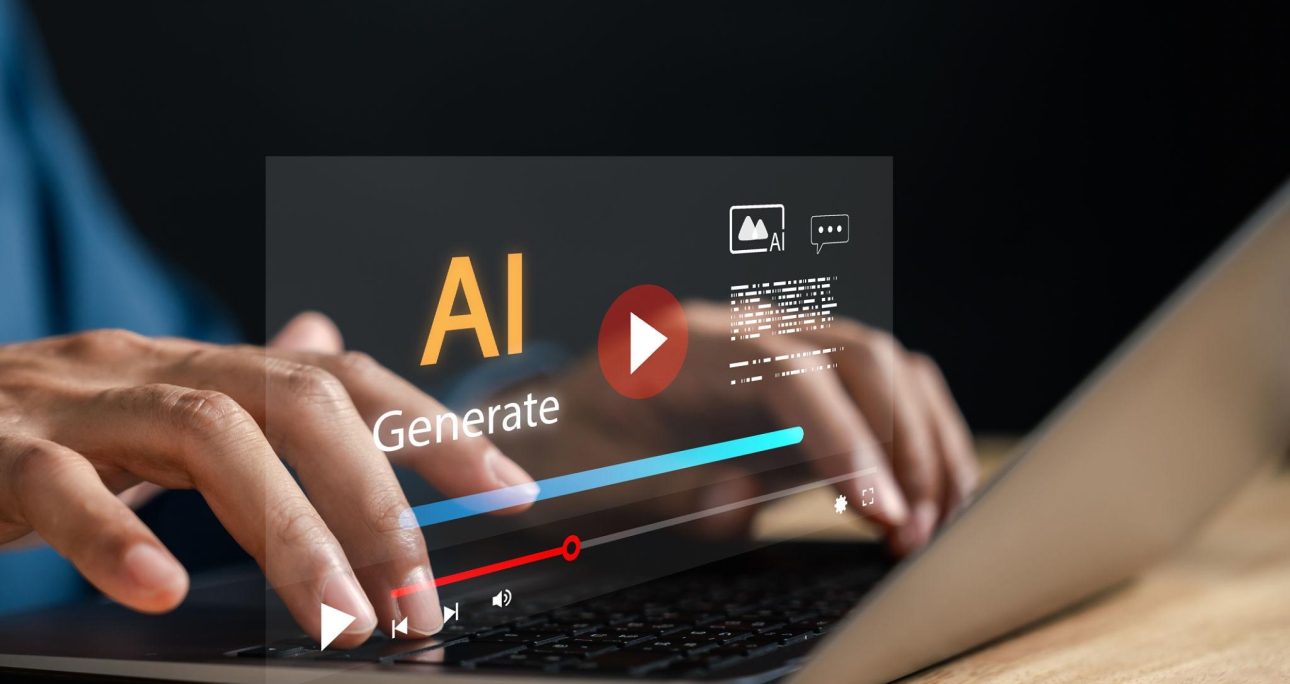
Artificial intelligence is transforming videography at an incredible pace. From automating editing workflows to generating entire scenes from text prompts, AI is reshaping how videos are created, edited, and shared. But like any powerful technology, it comes with both advantages and drawbacks.
Let’s explore the pros and cons of AI in videography — and what they mean for creators today.
The Advantages of AI in Videography
1. Faster Editing and Automation
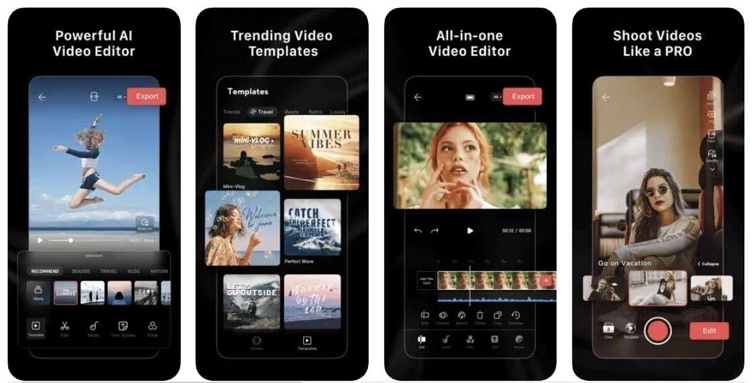
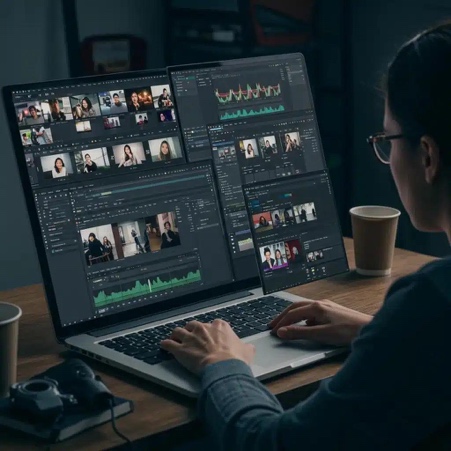
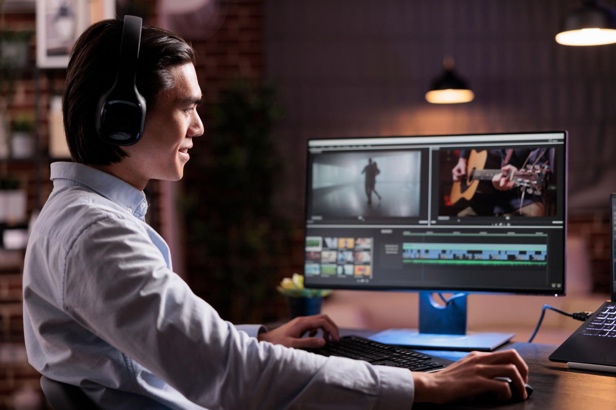
One of the biggest benefits of AI is speed. Tasks that once took hours—like cutting clips, syncing audio, or applying color correction—can now be completed in minutes. Modern tools such as Adobe Premiere Pro and Runway ML use AI to automate repetitive work, allowing creators to focus more on storytelling rather than technical details.
2. Boosted Creativity
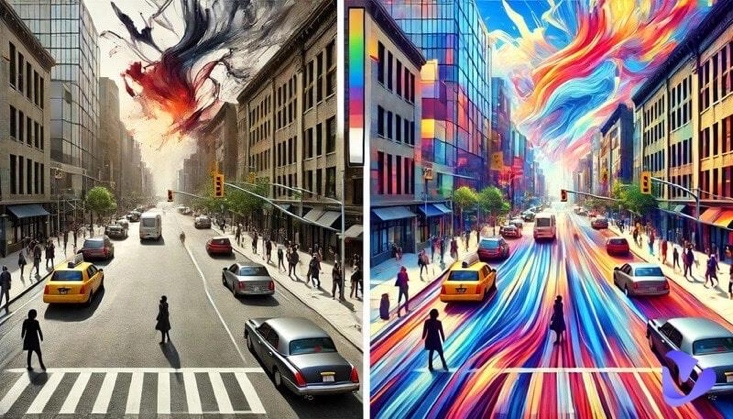
AI opens the door to creative possibilities that were previously difficult or expensive to achieve. From generating visual effects to turning text into video scenes, creators can experiment freely. This makes high-quality production more accessible—even for individuals or small teams with limited resources.
3. Cost Efficiency
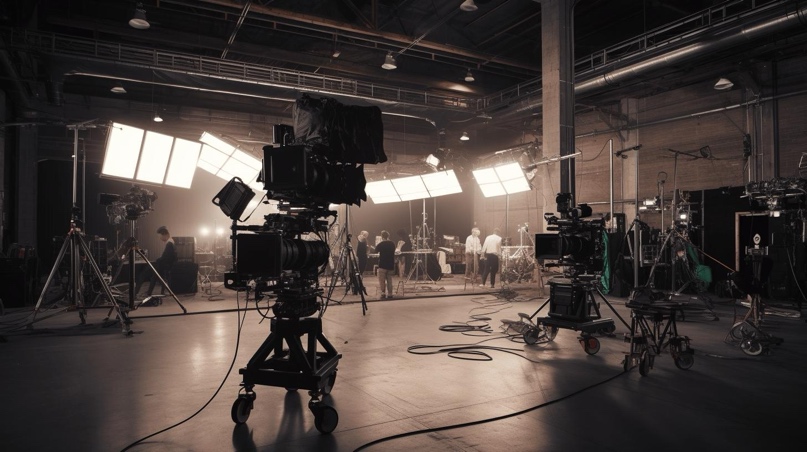
AI reduces the need for large production crews and expensive equipment. Tasks like editing, sound design, and even scripting can be partially automated, lowering production costs. This democratizes videography, enabling more people to create professional-level content without a big budget.
4. Smarter Content Optimization
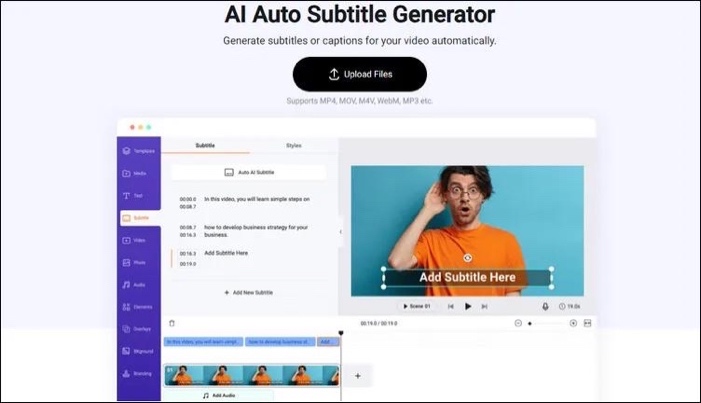
AI doesn’t just help create videos—it helps them perform better. It can analyze audience behavior, suggest edits, generate captions, and optimize formats for different platforms. This means creators can tailor content more effectively and increase engagement.

The Disadvantages of AI in Videography
1. Loss of Human Touch
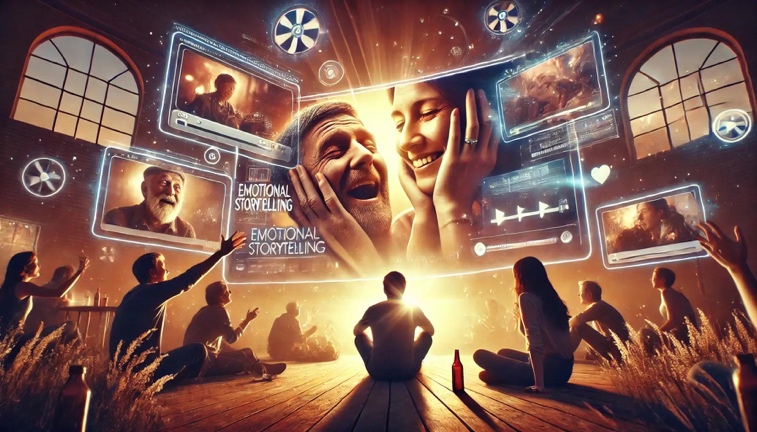
While AI is efficient, it often lacks the emotional depth and storytelling nuance that human creators bring. Over-reliance on AI can lead to content that feels generic or repetitive, reducing the uniqueness of a creator’s voice.
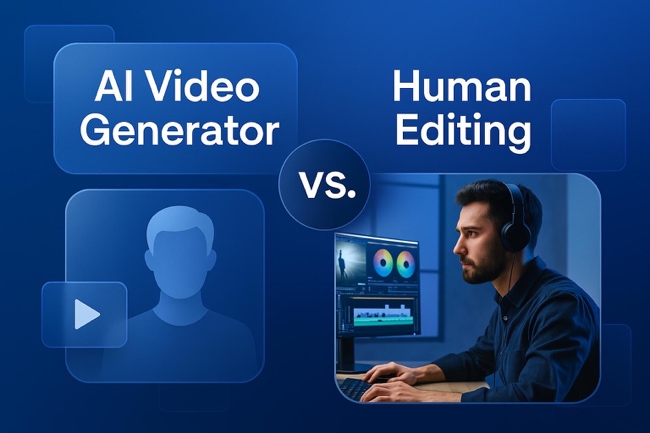
2. Job Displacement Concerns
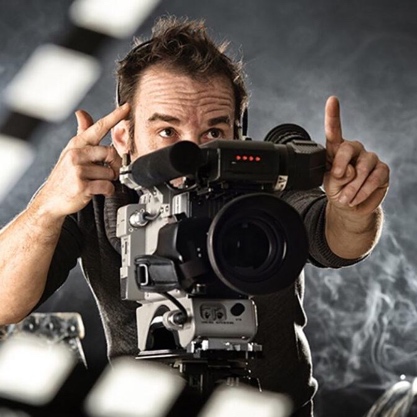
As AI tools become more advanced, certain roles—especially entry-level editing or production jobs—may be reduced. While new opportunities will emerge, the industry is shifting, and professionals need to adapt to stay relevant.
3. Ethical and Legal Issues
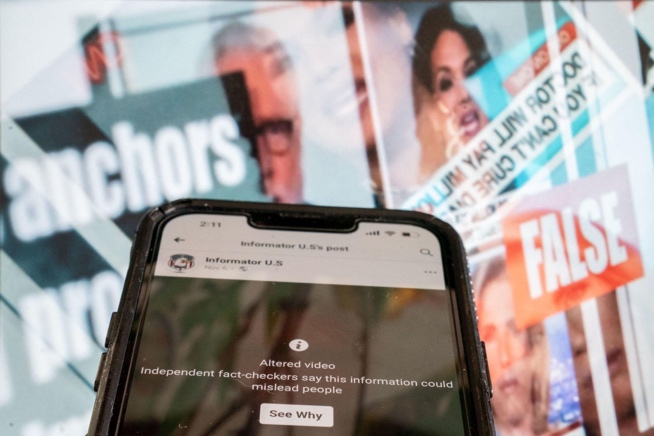
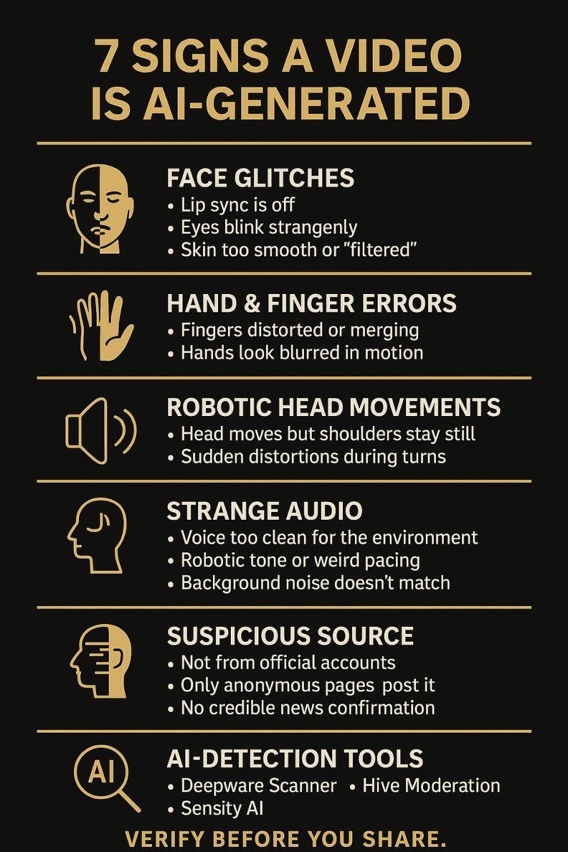
AI introduces serious ethical challenges. Deepfakes and manipulated videos can spread misinformation, while copyright and ownership of AI-generated content remain unclear. These issues raise important questions about responsibility and regulation.

4. Quality and Control Limitations
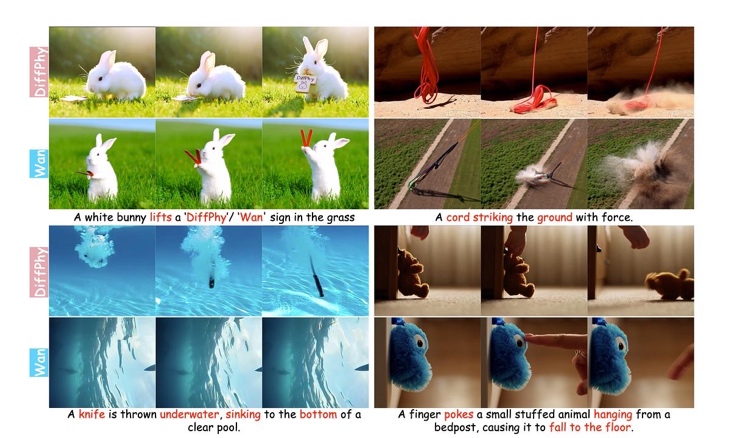
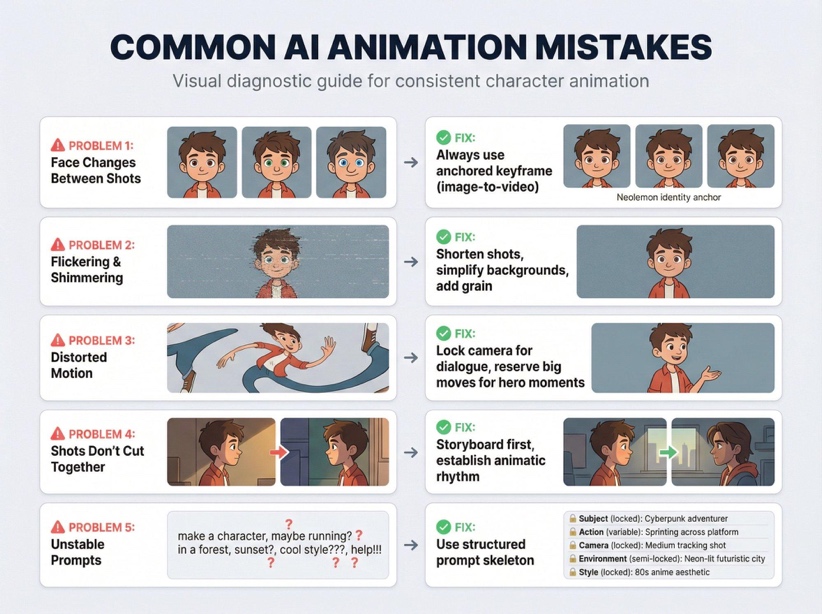
Despite its capabilities, AI isn’t perfect. It can produce unnatural edits, visual glitches, or results that don’t fully match a creator’s vision. Human oversight is still essential to ensure quality and precision.
Final Thoughts AI is not here to replace videographers—it’s here to enhance them. The most successful creators are those who use AI as a tool rather than a crutch. By combining AI efficiency with human creativity, videographers can produce content that is both technically polished and emotionally compelling.